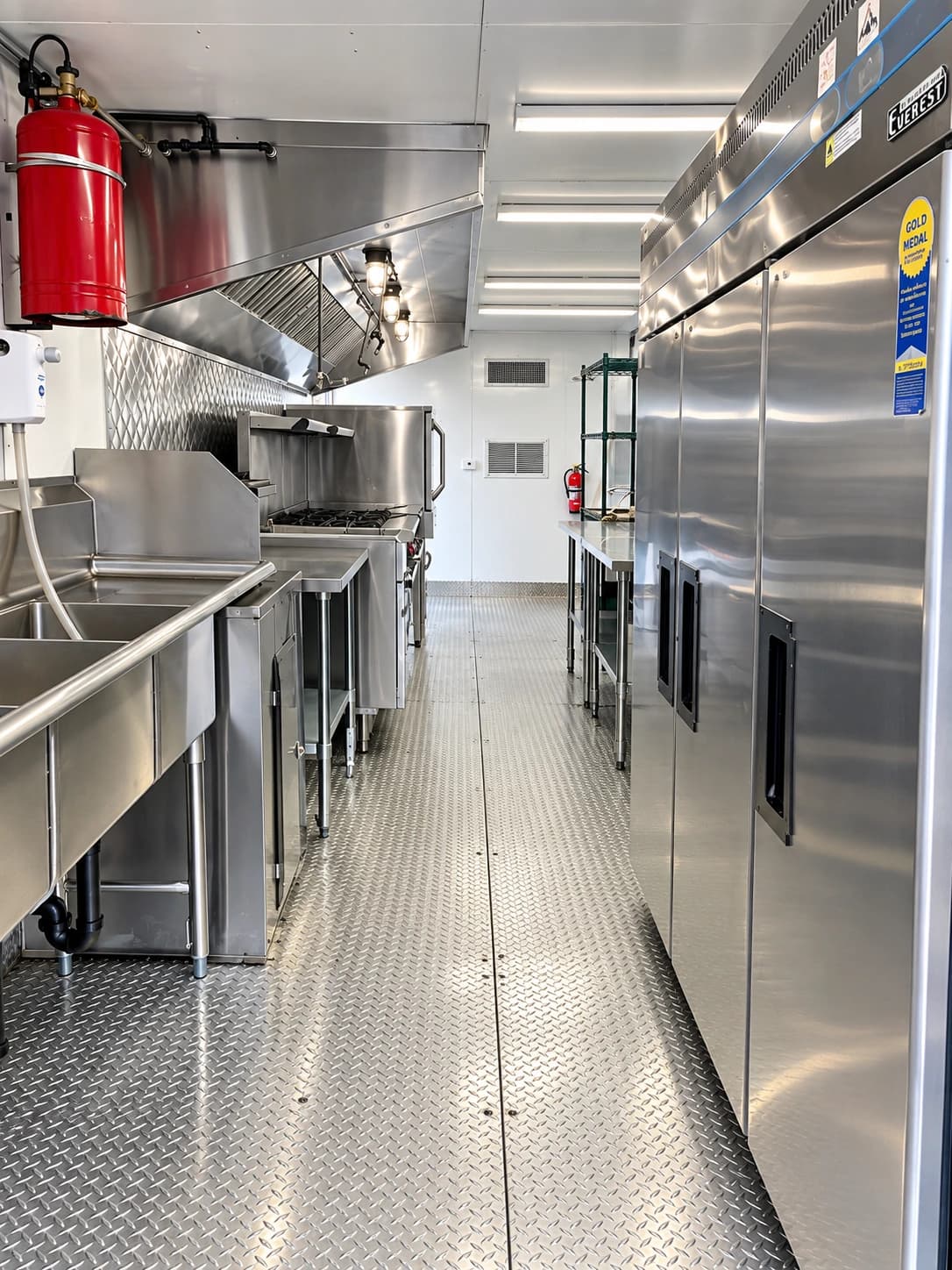
Build the temporary operation into the project schedule
Identify the first day the existing kitchen becomes unavailable and the point at which the replacement can be used. Include utility work, equipment placement, inspections handled by the appropriate authorities, and the return to the permanent facility. Allow for a discussion of extensions rather than assuming every construction milestone will hold. A renovation enquiry in Philadelphia should include the shutdown date. For a mobile kitchen rental in Richmond, explain when utility work will allow the temporary operation to start.
Keep the menu practical during the transition
Decide which parts of the normal menu must continue and which can change during the work. Describe staff numbers, preparation tasks, cooking methods, dish handling, and the service location. These requirements help frame the equipment discussion without presuming a standard trailer fits every operation. A Atlanta mobile kitchen rental brief can separate scratch cooking from finishing tasks. An enquiry in Chicago should explain the route to the serving area.
Keep cold storage connected
Renovation can affect coolers, freezers, deliveries, and the normal route through the building. Discuss temporary refrigeration alongside the kitchen, especially when existing cold storage will be disconnected. Confirm the selected unit’s conditions, utilities, location, and access before relying on it for the transition. For temporary refrigeration in Raleigh, identify stock that must move before disconnection. A mobile kitchen rental in Baltimore also needs the route from cold storage to preparation.
Explore the documented configurations.
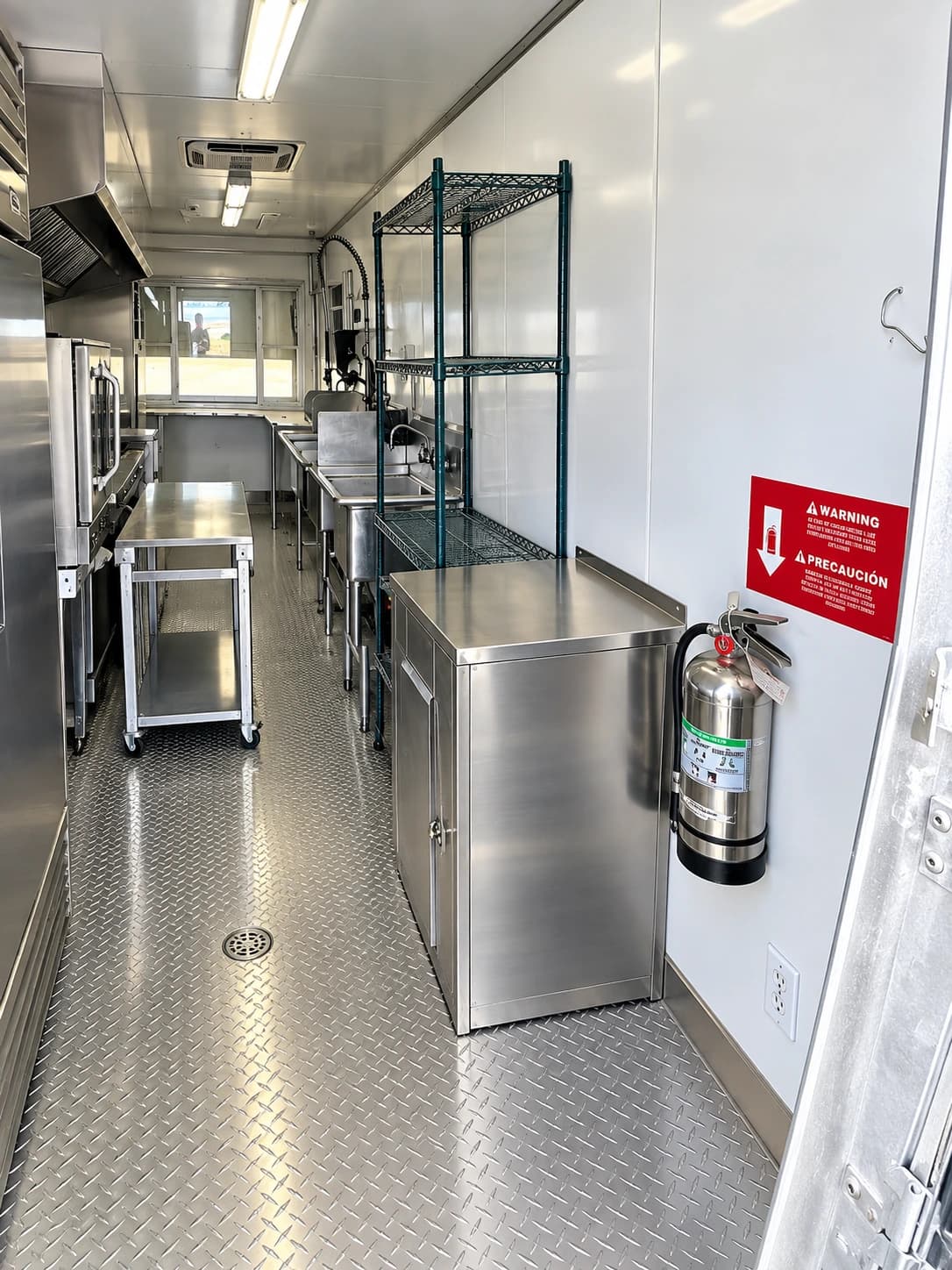
24 ft Mobile Kitchen Trailer
220V · Single phase · 200A
View this rental configuration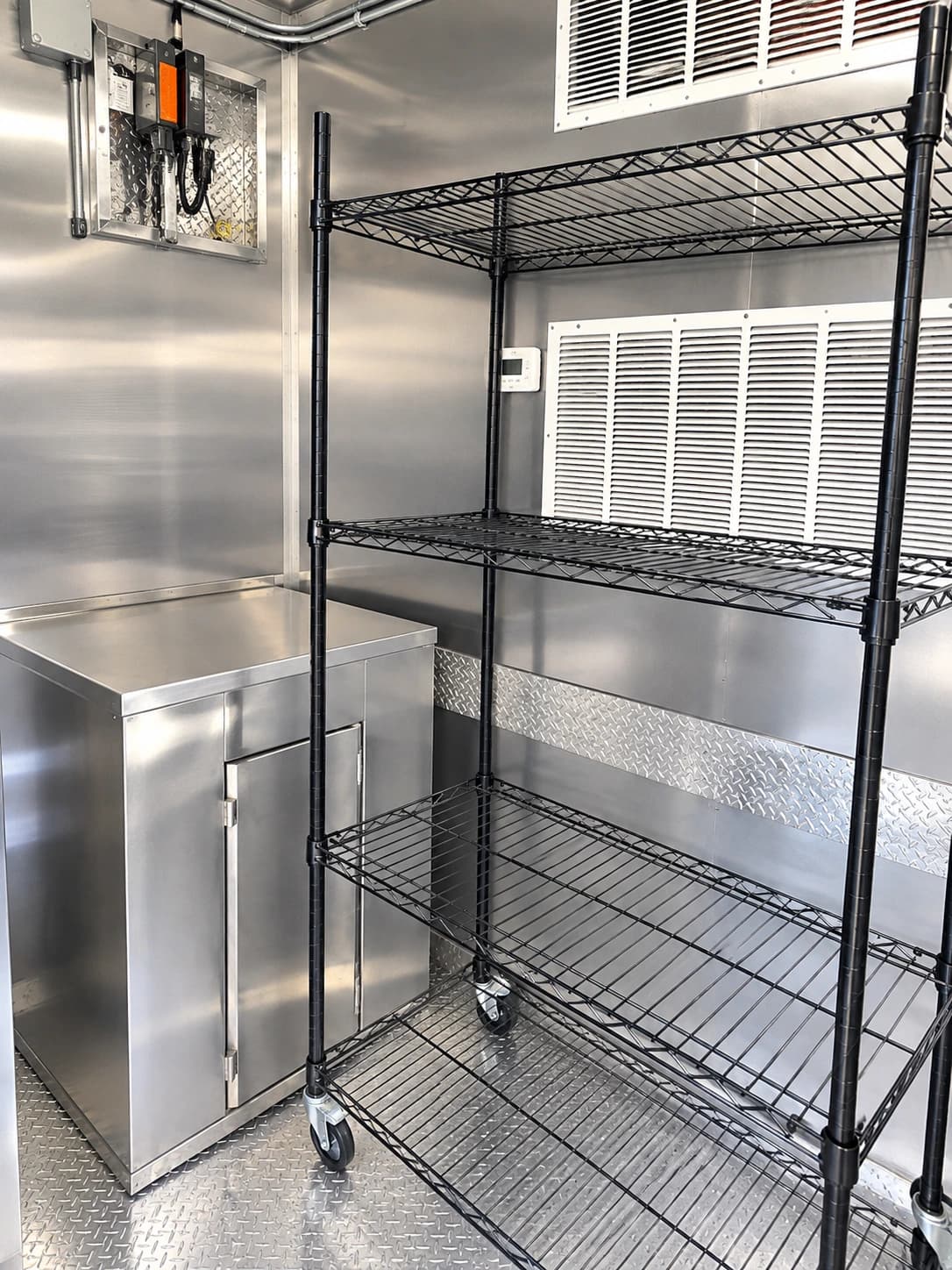
26 ft Baby Bulk Mobile Kitchen Trailer
220V · Single phase · 200A
View this rental configuration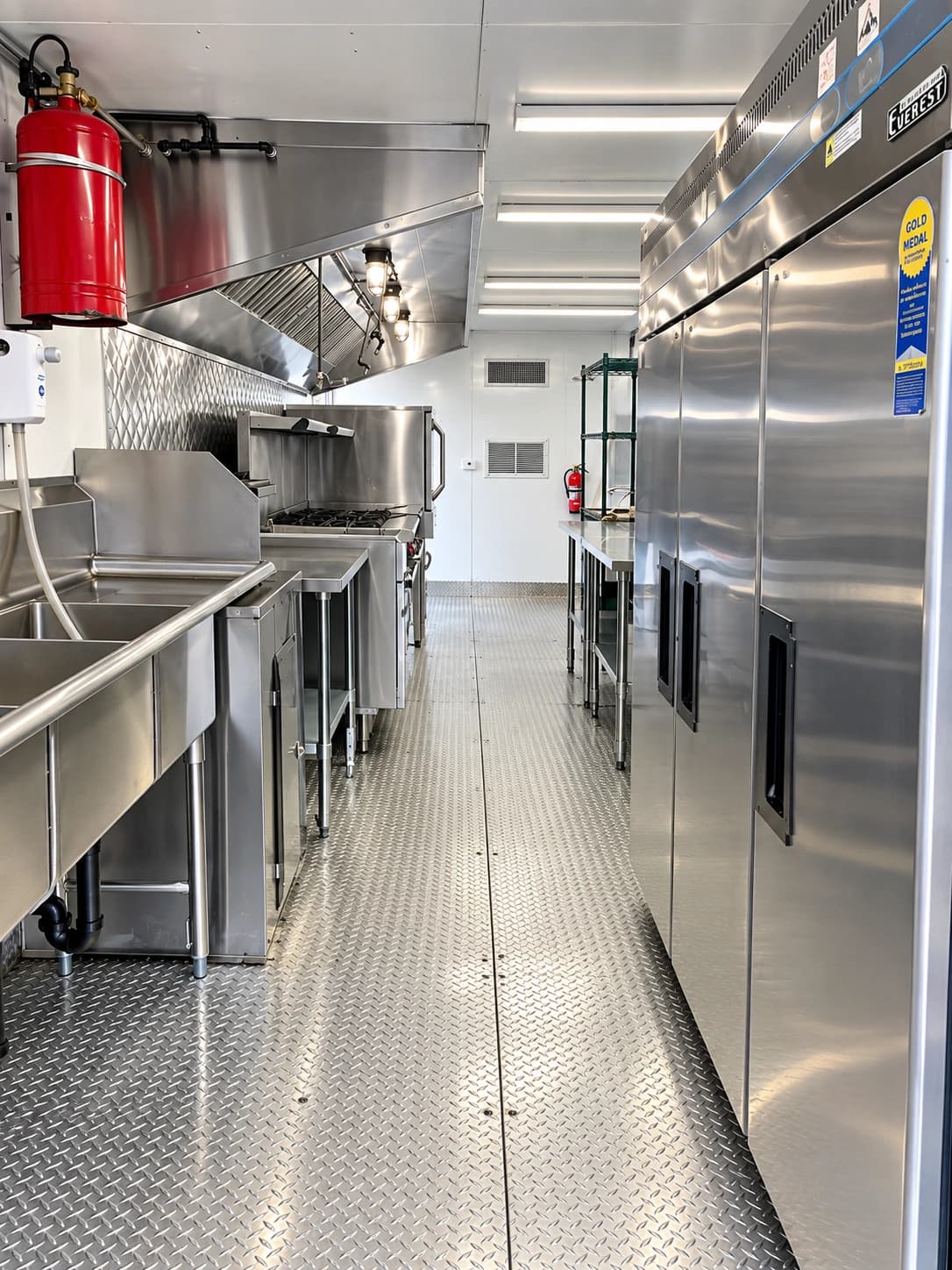
28 ft Mobile Kitchen Trailer
220V · Single phase · 200A
View this rental configuration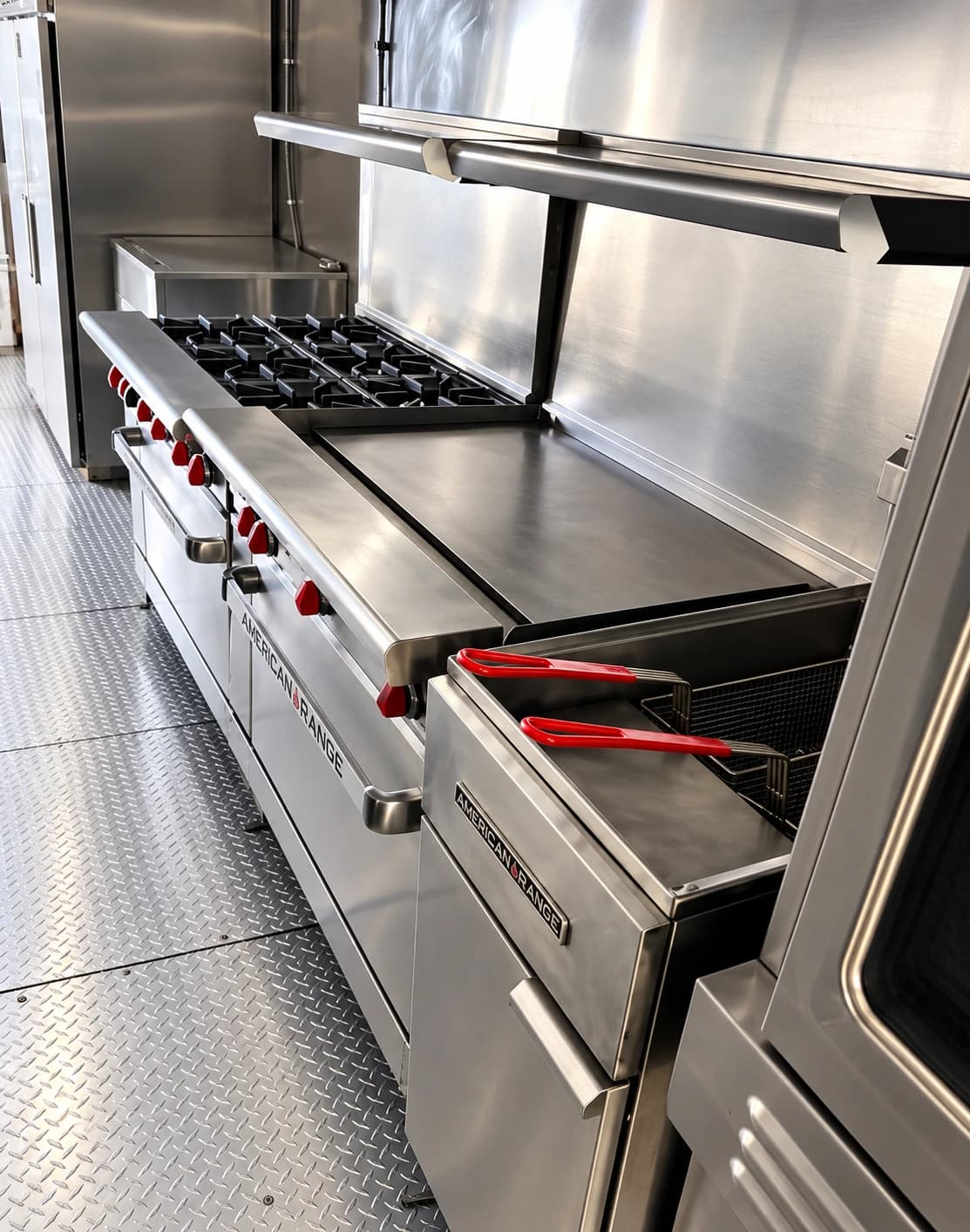
38 ft Mobile Kitchen Trailer
220V · Single phase · 200–220A
View this rental configuration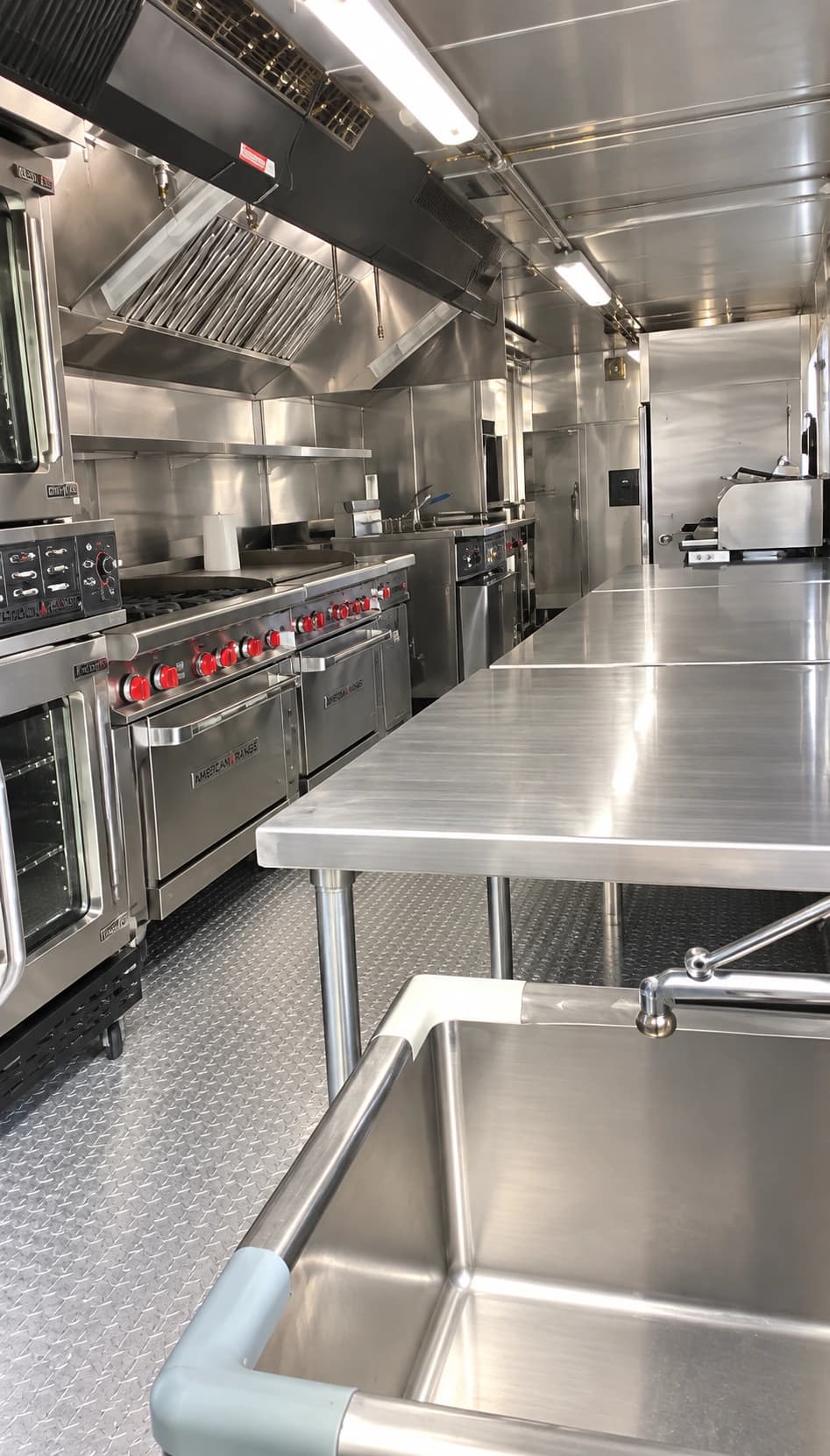
40 ft Mobile Kitchen Trailer
220V · Single phase · 200–220A
View this rental configuration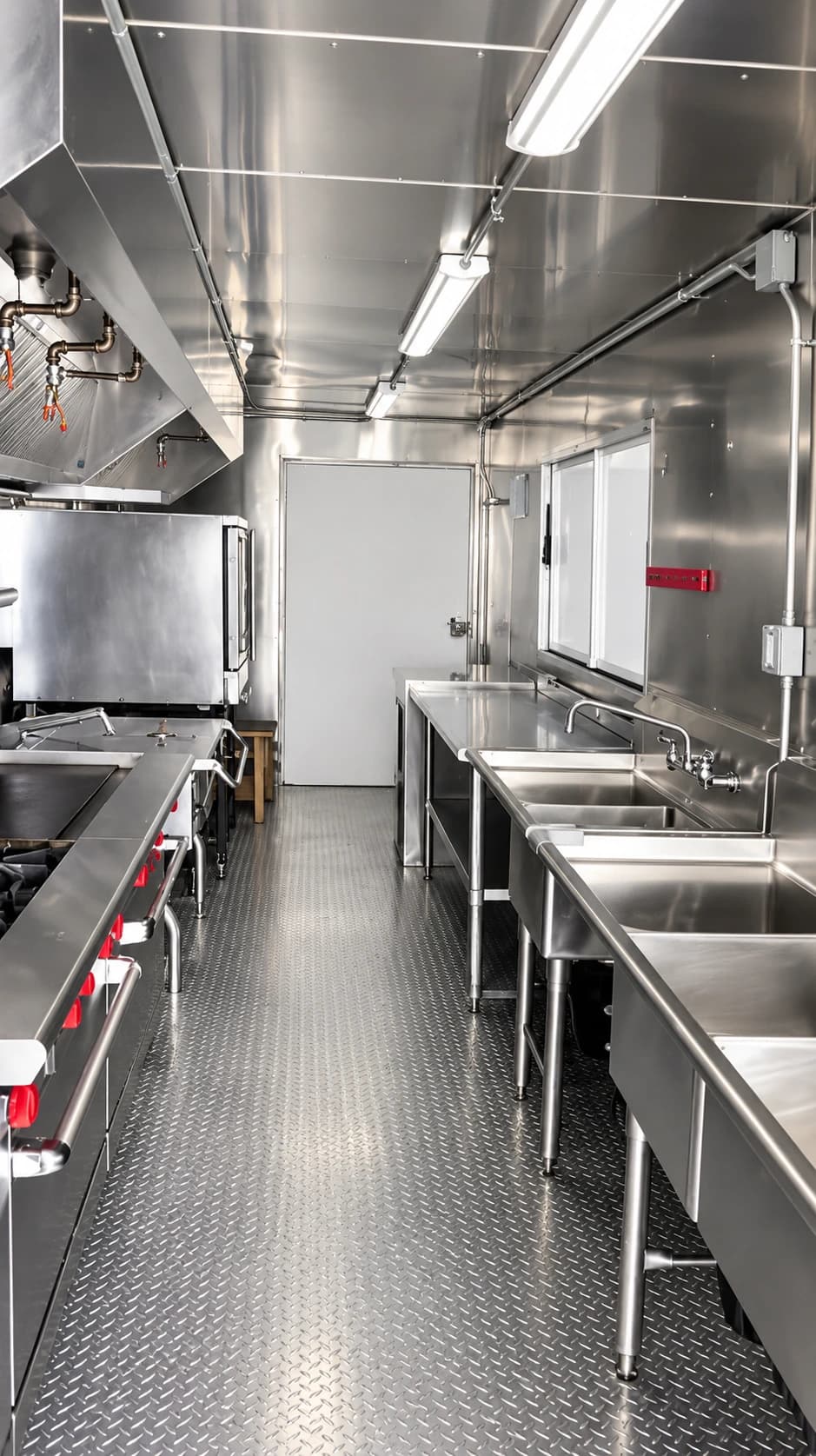
40 ft Mobile Combo Kitchen Trailer
220V · Single phase · 200–220A
View this rental configuration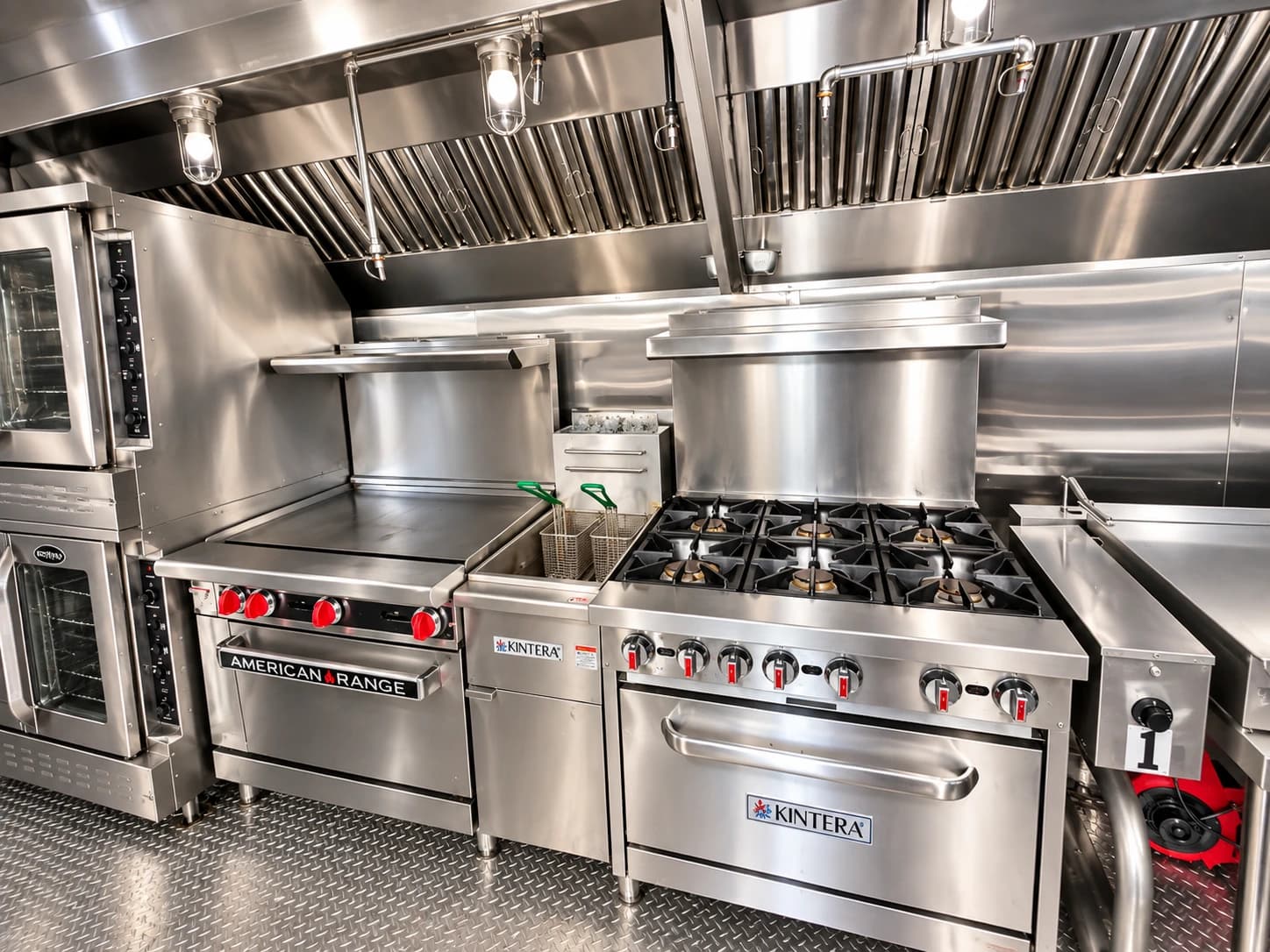
40 ft Bulk Mobile Kitchen Trailer
220V · Single phase · 200–220A
View this rental configuration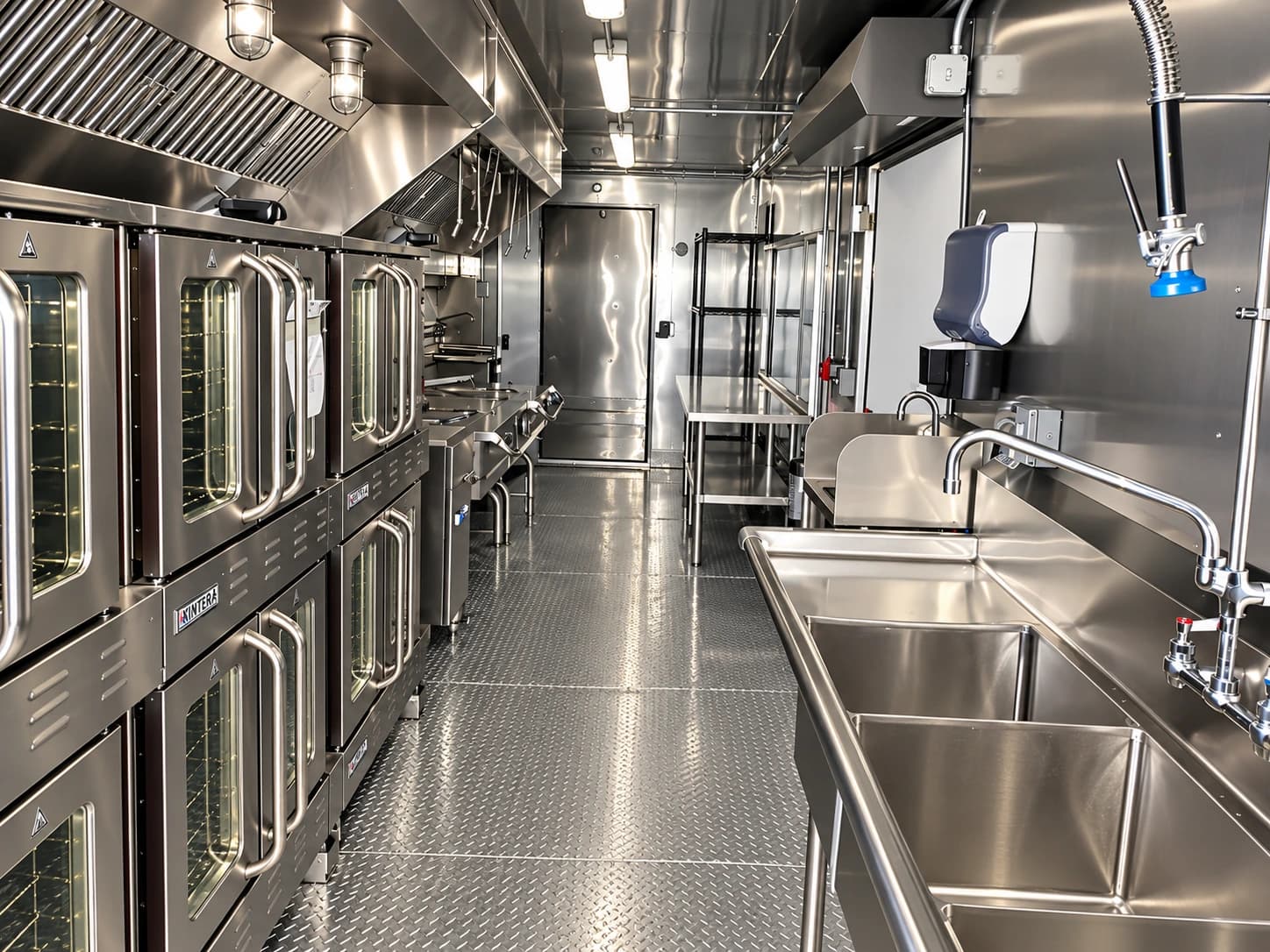
40 ft Bulk Combo Mobile Kitchen Trailer
220V · Single phase · 200–220A
View this rental configurationDiscuss the layout and site requirements.
38 ft All-Electric Mobile Kitchen Trailer
Configuration and assigned-unit requirements discussed by quote.
View this rental configurationDiscuss the layout and site requirements.
26 ft Prep Mobile Kitchen Trailer
220V · Single phase · 200A
View this rental configurationA temporary cooking layout also needs a washing plan. Compare commercial dishwashing trailer rentals if renovation or construction closes the permanent wash area. Review the items being washed, return flow and site utilities before choosing a low-temperature push-through or conveyor configuration.
Practical support for the rental ahead.
Temporary mobile kitchen and refrigeration planning needs to work for your people, food, and site. Start with a clear discussion of the equipment and arrangements your operation needs. A mobile kitchen rental enquiry in Boston should describe the menu; a refrigeration enquiry in Chicago should identify the products and storage conditions.
Deployment planning
Discuss the requested dates, access, and setup before agreeing delivery.
24/7 emergency rental help
Call any time about mobile kitchen rentals or a failed cooler or freezer.
Project support
Connect equipment, site requirements, and the scope of your quote.
Flexible rental discussions
Review short-term or longer lease needs and confirm minimum terms.
Commercial equipment focus
Plan cooking and cold storage around the operation they support.
Logistics coordination
Consider positioning, utilities, delivery, and collection together.
Why clients can start with confidence: documented food service rental configurations, a direct phone enquiry route, and project-specific confirmation of equipment, terms, and logistics.