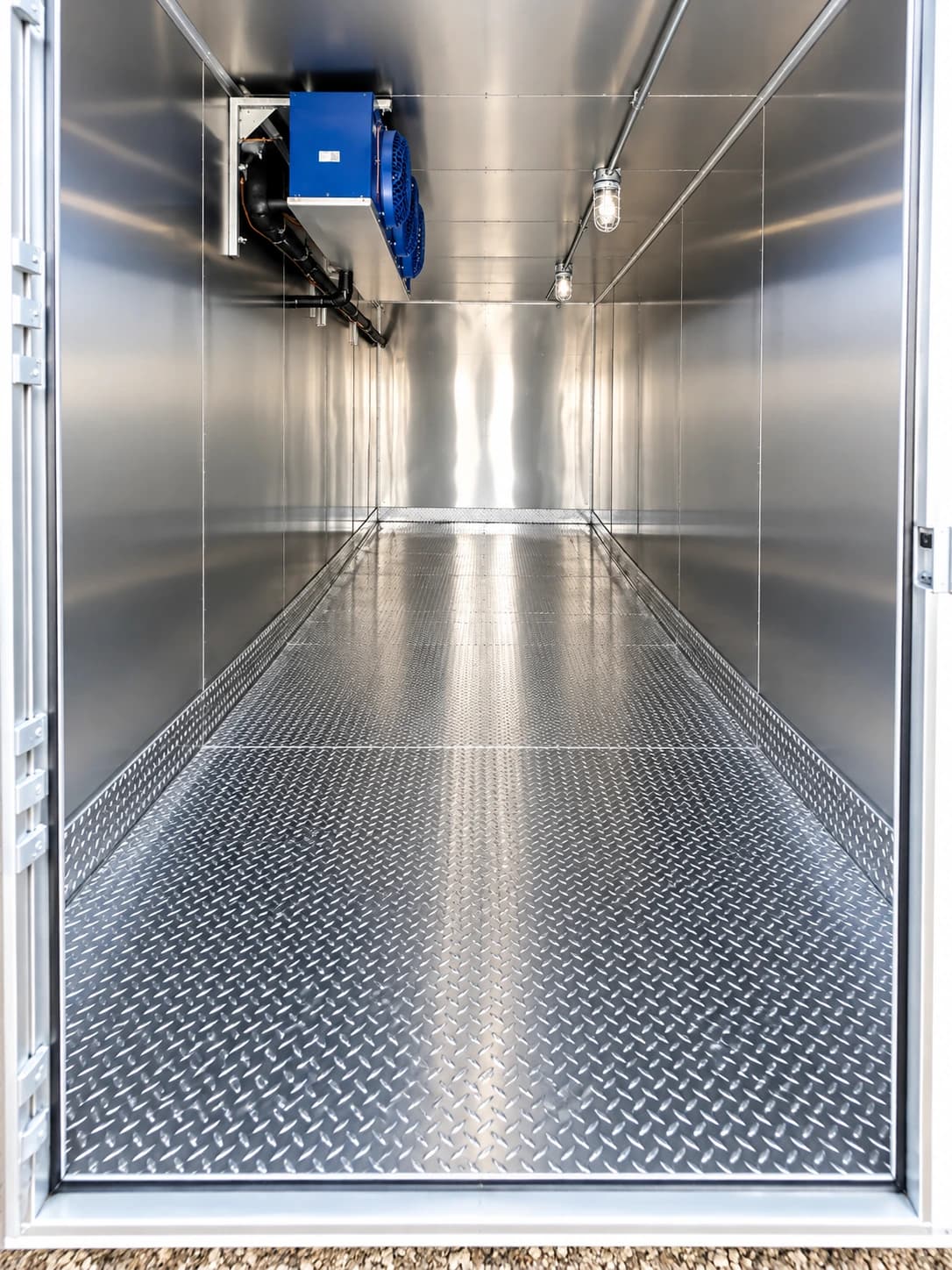
Describe the storage problem precisely
Tell the team whether the interrupted service is chilled, frozen, or a combination, and describe the products and volume involved. Explain how often stock must move in and out and whether staff need walk-in access. A product’s storage requirements do not establish what every rental unit can achieve; the applicable temperature and operating conditions must be confirmed for the selected model. A refrigeration enquiry in Miami should identify the products and loading volume. An operation in New York should also describe how often the cold-storage doors will be opened.
Check power, placement, and loading access
A usable cold-storage plan includes a confirmed electrical connection, suitable placement, safe access, and the route between food preparation and storage. Discuss the actual site conditions and loading pattern. Keep access to the existing mobile kitchen and emergency exits clear. Technical connections and clearances need to come from the actual unit’s documentation and the qualified team arranging the setup. For a cold-storage rental in Philadelphia, confirm the proposed electrical connection. A site in Chicago also needs an agreed loading route between the rental and the kitchen.
Connect the rental to food service continuity
A failed cooler can affect receiving, preparation, and meal service together. Discuss whether a mobile kitchen rental is also needed while repairs or replacement work proceeds. Ask for confirmation of equipment availability, rental terms, delivery, setup, collection, and the commercial quote. An enquiry is the start of a plan, not a guaranteed dispatch or storage-capacity commitment. An emergency refrigeration enquiry in Charleston may also involve preparation space. A Boston food service team can discuss mobile kitchen and storage support in the same call.
20 ft refrigeration variant reference.
These are the documented temperature points and electrical entries for the named variants. They are not a continuous operating range, an ambient rating, a stock guarantee, or a substitute for checking the assigned unit against the products and site.
| Configuration | Listed temperature point | Listed electrical entry |
|---|---|---|
| 20 ft older refrigeration variant | 32°F | 220V · single phase · 40–60A |
| 20 ft MT variant | 15°F | 220V · single phase · 40–60A |
| 20 ft LT variant | −5°F | 220V · single phase · 40–60A |
For each assigned unit, confirm external and internal dimensions, usable storage, door/loading access, the exact connector, circuit, clearances, and operating conditions. The 12 ft trailer and 20 ft container have separate requirements; these 20 ft trailer entries are not their specifications.
Explore the documented configurations.
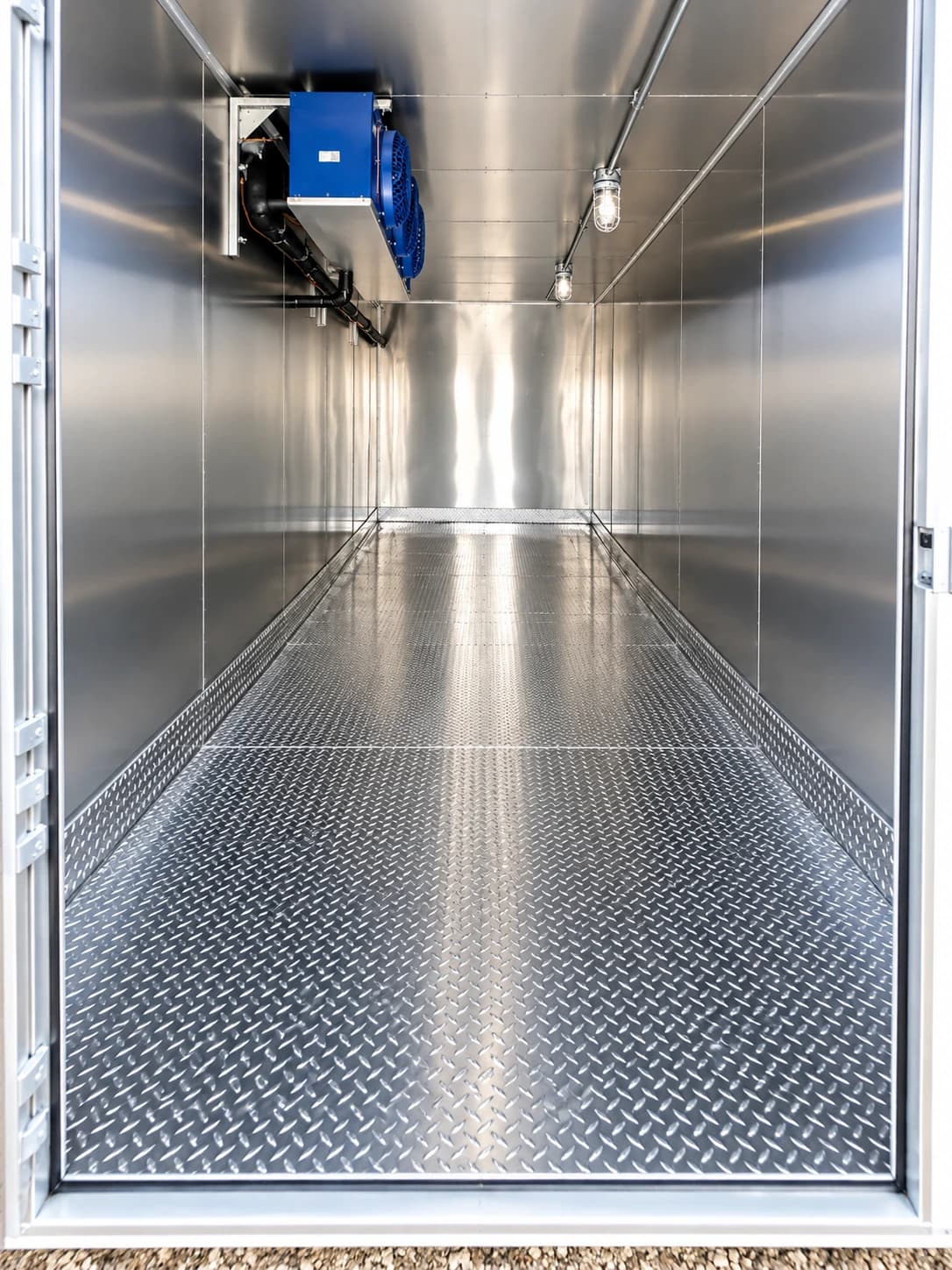
12 ft Refrigerated Trailer
Configuration and assigned-unit requirements discussed by quote.
View this rental configuration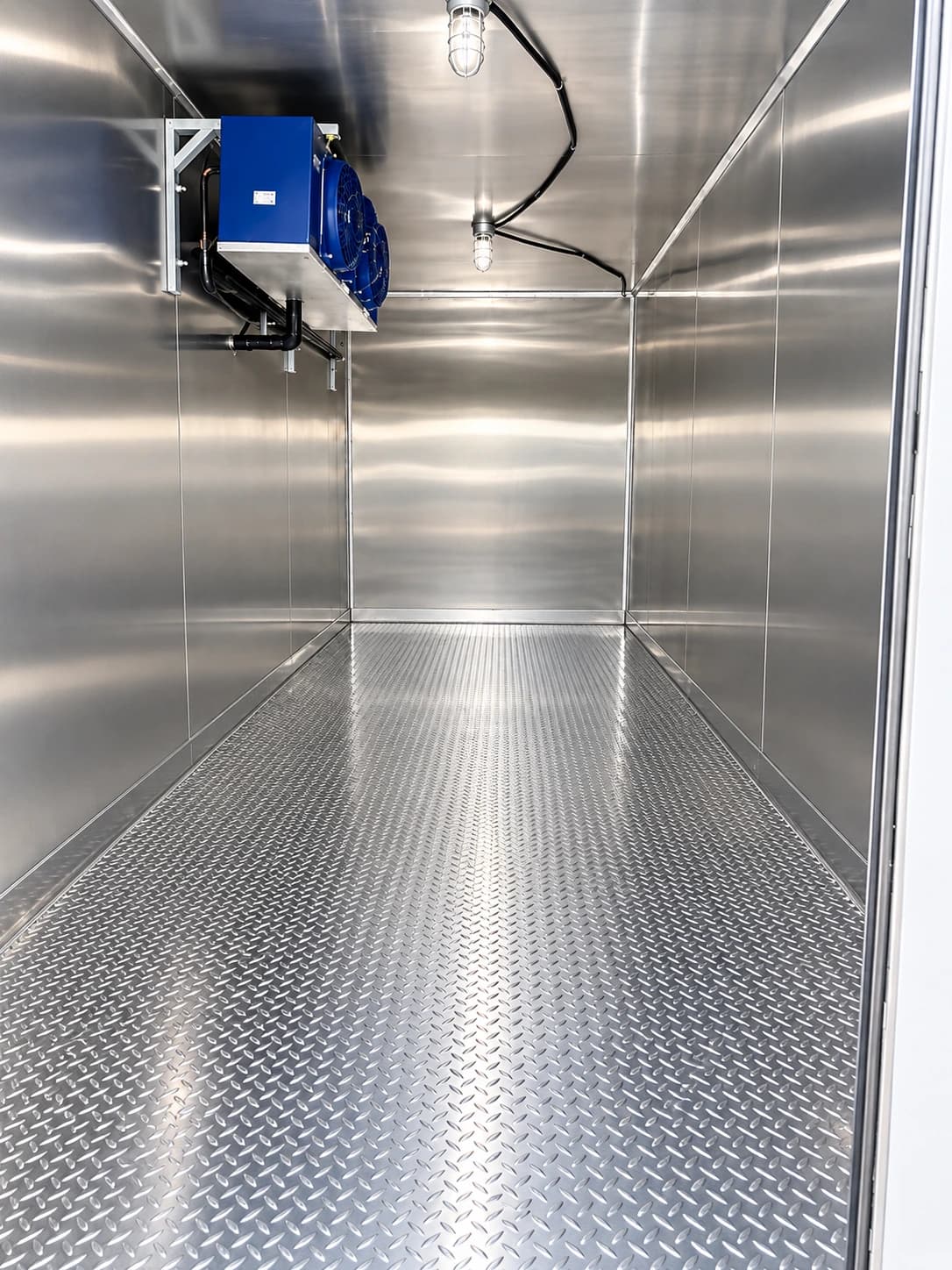
20 ft Refrigerated Trailer
220V, single phase
View this rental configuration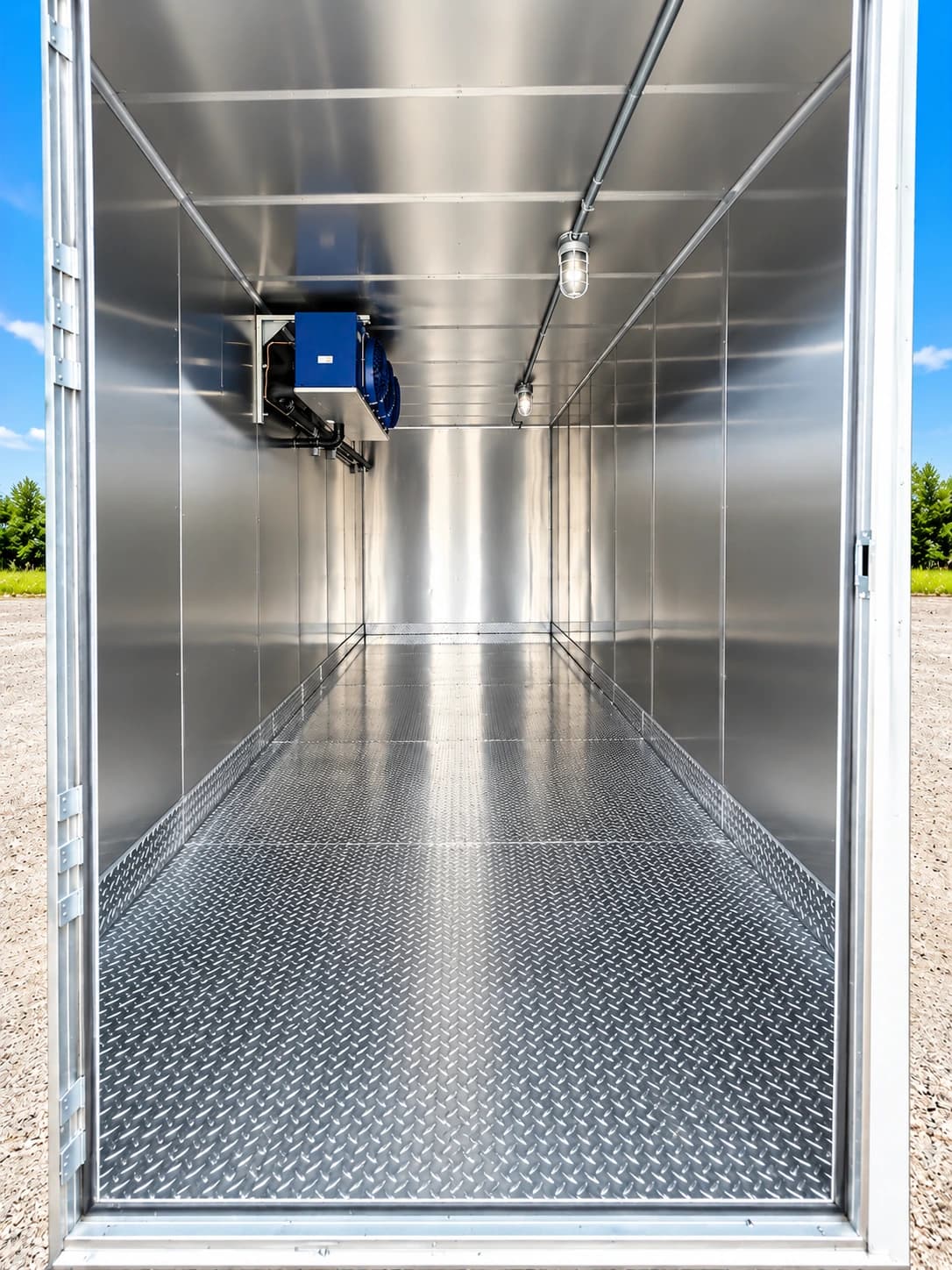
20 ft Refrigerated Container
Configuration and assigned-unit requirements discussed by quote.
View this rental configurationDiscuss the layout and site requirements.
24 ft Refrigerated Container
Configuration and assigned-unit requirements discussed by quote.
View this rental configurationDiscuss the layout and site requirements.
40 ft Refrigerated Container
Configuration and assigned-unit requirements discussed by quote.
View this rental configurationDiscuss the layout and site requirements.
20 ft LT Refrigerated Trailer
220V · Single phase · 40–60A
View this rental configurationDiscuss the layout and site requirements.
20 ft 32°F Refrigerated Trailer
220V · Single phase · 40–60A
View this rental configurationIf a renovation also takes the wash area out of use, mention mobile dishwashing rentals in the same request. The dishwashing machine needs its own electrical, water and drainage review; the refrigeration unit's connections do not establish those requirements.
Practical support for the rental ahead.
Temporary mobile kitchen and refrigeration planning needs to work for your people, food, and site. Start with a clear discussion of the equipment and arrangements your operation needs. A mobile kitchen rental enquiry in Boston should describe the menu; a refrigeration enquiry in Chicago should identify the products and storage conditions.
Deployment planning
Discuss the requested dates, access, and setup before agreeing delivery.
24/7 emergency rental help
Call any time about mobile kitchen rentals or a failed cooler or freezer.
Project support
Connect equipment, site requirements, and the scope of your quote.
Flexible rental discussions
Review short-term or longer lease needs and confirm minimum terms.
Commercial equipment focus
Plan cooking and cold storage around the operation they support.
Logistics coordination
Consider positioning, utilities, delivery, and collection together.
Why clients can start with confidence: documented food service rental configurations, a direct phone enquiry route, and project-specific confirmation of equipment, terms, and logistics.